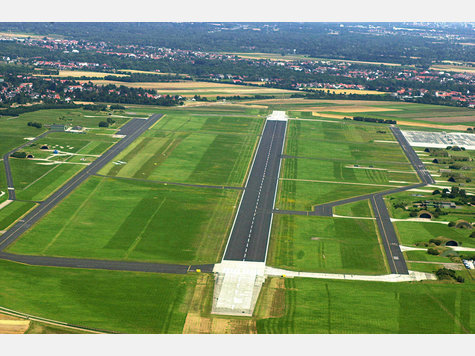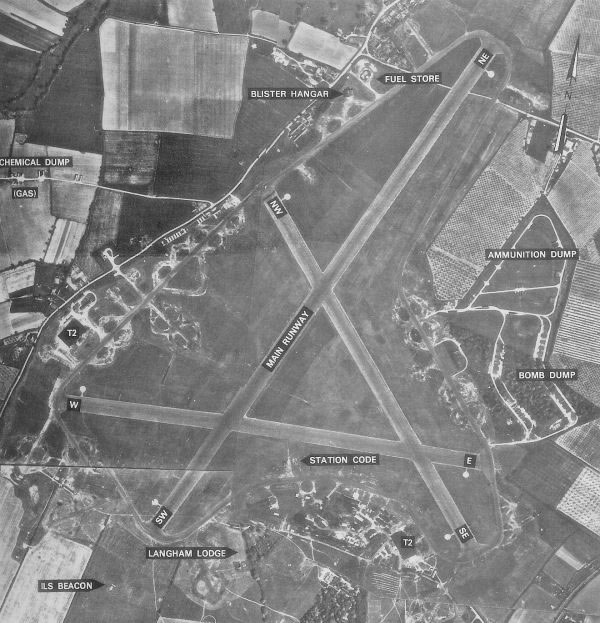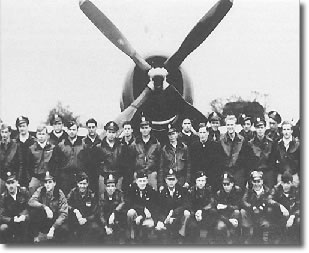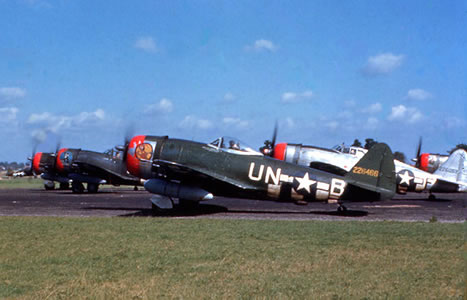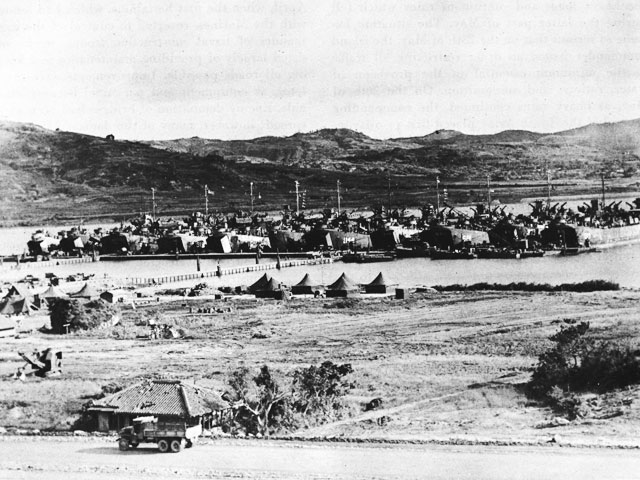

Situado cerca de Tokio. Basado el departamento de evaluación y de la división de mantenimiento del Ejército, que a menudo voló de combate en los últimos meses de la guerra.
Después de la ocupación por las fuerzas de EE.UU., y se utiliza en gran medida hasta que la pista se convirtió en inservible debido al uso constante.
Unidades de la USAF de postguerra.
* 374th Operations Group (Tail Code: YJ)
The 374th Operations Group maintains a forward presence by providing rapid responsive movement of personnel, equipment and operational support in the Asia-Pacific region. The group consists of:
o 374th Operations Support Squadron
o 36th Airlift Squadron (Lockheed C-130H1 Hercules)
o 459th Airlift Squadron (Bell UH-1N Iroquois (Huey)), (C-12J Huron)[2]
It is not uncommon to see a C-5, KC-10, DC-8, C-17, L-100, ATA L-1011s and cargo 747s on the Transient Aircraft ramp.
* 374th Maintenance Group
The 374th Maintenance Group maintains C-130H2, C-12 and UH-1N aircraft supporting intratheater airlift and distinguished visitor transport for Pacific Air Forces.
* 374th Mission Support Group
The 374th Mission Support Group is responsible to the 374th Airlift Wing Commander for command, control and direction of support activities to 374 AW and 32 tenant units to include HQ US Forces Japan and Fifth Air Force.
* 374th Medical Group
The 374th Medical Group, ensures medical readiness of 374 AW, 5 AF, and US Forces Japan personnel. They also maintain 64 War Reserve Materiel projects, including the USAF's largest Patient Movement Item inventory.
* Associate/Tenant Units
o U.S. Forces, Japan (USFJ)
o Fifth Air Force (5AF)
o 730th Air Mobility Squadron
o Air Force Band of the Pacific-Asia
o Stars & Stripes
o American Forces Network
o U.S. Coast Guard (USCG) Activities Far East (FEACT) (inspection of ships bound for U.S. ports for port control and safety reasons).
Después de la ocupación por las fuerzas de EE.UU., y se utiliza en gran medida hasta que la pista se convirtió en inservible debido al uso constante.
Unidades de la USAF de postguerra.
* 374th Operations Group (Tail Code: YJ)
The 374th Operations Group maintains a forward presence by providing rapid responsive movement of personnel, equipment and operational support in the Asia-Pacific region. The group consists of:
o 374th Operations Support Squadron
o 36th Airlift Squadron (Lockheed C-130H1 Hercules)
o 459th Airlift Squadron (Bell UH-1N Iroquois (Huey)), (C-12J Huron)[2]
It is not uncommon to see a C-5, KC-10, DC-8, C-17, L-100, ATA L-1011s and cargo 747s on the Transient Aircraft ramp.
* 374th Maintenance Group
The 374th Maintenance Group maintains C-130H2, C-12 and UH-1N aircraft supporting intratheater airlift and distinguished visitor transport for Pacific Air Forces.
* 374th Mission Support Group
The 374th Mission Support Group is responsible to the 374th Airlift Wing Commander for command, control and direction of support activities to 374 AW and 32 tenant units to include HQ US Forces Japan and Fifth Air Force.
* 374th Medical Group
The 374th Medical Group, ensures medical readiness of 374 AW, 5 AF, and US Forces Japan personnel. They also maintain 64 War Reserve Materiel projects, including the USAF's largest Patient Movement Item inventory.
* Associate/Tenant Units
o U.S. Forces, Japan (USFJ)
o Fifth Air Force (5AF)
o 730th Air Mobility Squadron
o Air Force Band of the Pacific-Asia
o Stars & Stripes
o American Forces Network
o U.S. Coast Guard (USCG) Activities Far East (FEACT) (inspection of ships bound for U.S. ports for port control and safety reasons).

Fuentes:
http://www.pacificwrecks.com/airfields/ ... index.html
http://en.wikipedia.org/wiki/Yokota_Air_Base